
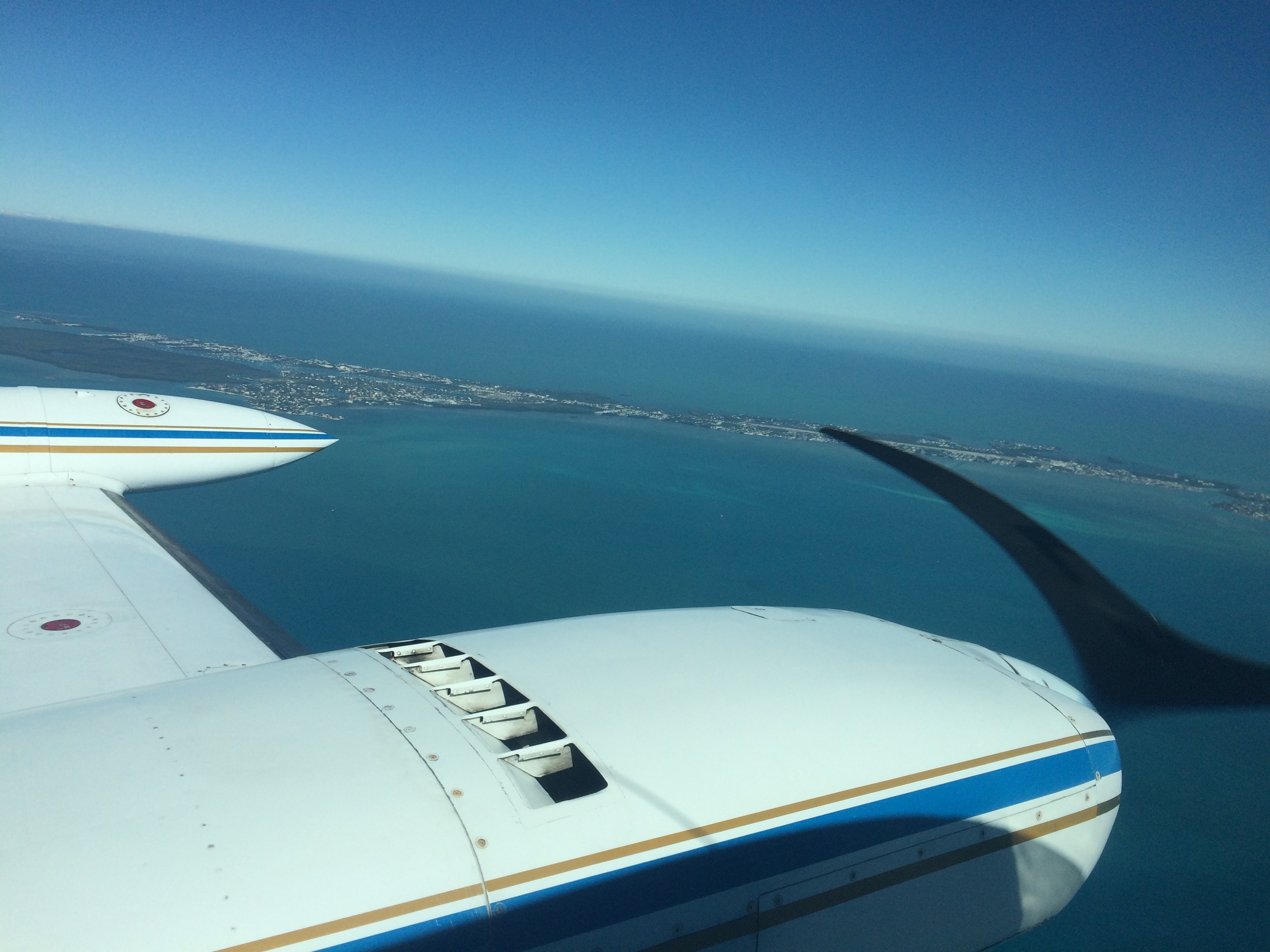
Hydrographic Survey Industry Sees Accelerated Adoption of Advanced Mapping Technologies

(January 22, 2026) —

The hydrographic survey industry is undergoing a notable transformation as technological innovations in multibeam echo sounder systems, bathymetric LiDAR, and autonomous data collection platforms begin to reshape how seafloor and coastal data are acquired, processed, and applied across sectors.

Recent industry reports and surveys underscore a surge in demand for high-resolution hydrospatial data driven by expanding offshore infrastructure development, environmental monitoring needs, and maritime safety requirements. The global hydrographic survey equipment market, which includes multibeam systems, positioning and optical sensors, and associated software, is expected to grow significantly in the coming decade, reflecting both the increasing market appetite and strategic technology investments by public and private stakeholders.

Market Dynamics and Demand Drivers

Analysts project robust growth in the hydrographic survey segment as organizations seek more precise and comprehensive seabed mapping capabilities. The multibeam echo sounder market, in particular, is poised for expansion due to heightened demand for accurate bathymetric data supporting offshore wind farm construction, dredging operations, and coastal management programs. Technological enhancements — including phased-array scanning and real-time data visualization — are also contributing to broader adoption of these systems.

In parallel, the hydrographic survey vessel and autonomous survey market continues to expand. Research indicates that the autonomous hydrographic survey vessel market reached approximately $1.34 billion in 2024 and is projected to grow at a double-digit annual rate through the next decade as operators increasingly deploy uncrewed surface vessels (USVs) and remotely operated platforms for data collection tasks traditionally conducted by crewed ships.

Technological Innovation in Data Collection

At the core of these industry changes is the integration of sophisticated sensor suites and advanced data processing workflows. Multibeam sonar systems remain the backbone of detailed seafloor mapping, providing dense point clouds that support nautical charting, engineering surveys, and environmental assessments. Survey professionals are investing in systems with improved motion compensation and integrated inertial measurement units (IMUs) to enhance data reliability even in challenging marine conditions.

Simultaneously, bathymetric LiDAR technologies are gaining traction for shallow-water and coastal mapping, where airborne lasers can rapidly collect elevation data across broad areas. Workshops and industry conferences have highlighted efforts to align bathymetric LiDAR practices with international hydrographic standards (e.g., IHO S-44), emphasizing quality, interoperability, and operational efficiency.

These innovations come at a time when the hydrographic community is also grappling with the integration of digital data standards and new workflows. Surveys within the sector identify that while automation and remote platforms are increasingly valued, there remains a critical need for skilled professionals capable of interpreting complex datasets and validating automated outputs.

Cross-Sector Applications and Collaboration

The expanding utility of hydrographic data is prompting interdisciplinary collaboration. Coastal engineers, marine biologists, and oceanographers are increasingly leveraging high-resolution bathymetric and LiDAR data for ecosystem planning, habitat mapping, and climate resilience studies. This broader use reflects a shift in which hydrospatial data is not just a navigational asset, but a foundational layer for maritime spatial planning and environmental stewardship.

With strong market growth prospects and ongoing technological advancements, the hydrographic survey sector appears poised for sustained expansion. Continued investment in multibeam and LiDAR systems, coupled with the rising deployment of autonomous platforms, suggests that the collection of high-quality hydrospatial data will become more efficient, cost-effective, and integral to maritime development and safety worldwide.

Woolpert Expands Geospatial Services by Acquiring Geomatics Data Solutions

https://woolpert.com/resource/woolpert-expands-geospatial-services-by-acquiring-geomatics-data-solutions/

GDS brings coastal, marine and bathymetric surveying expertise, enriching Woolpert’s lidar capabilities.

DAYTON, Ohio (May 22, 2019) — Woolpert has acquired Geomatics Data Solutions (GDS), a marine and terrestrial survey data firm, to expand and deepen its geospatial service offerings. GDS has 10 years of experience collecting, processing and performing quality control of hydrographic lidar, topographic lidar, acoustic survey data and traditional land-based survey data.

With this acquisition, Woolpert is establishing a Maritime Solutions market within its Geospatial sector. The market complements the sector’s Government Solutions and National Security markets and expands and supports Woolpert’s ability to comprehensively serve its geospatial clients.

Woolpert Geospatial Sector Leader Joseph Seppi said the high-quality bathymetric lidar and acoustic hydrographic services that GDS expertly provides, combined with Woolpert’s industry-leading aerial and terrestrial lidar capabilities, allow Woolpert to provide fully integrated lidar data services to clients around the world.

“We are now able to provide highly accurate elevation data from land to the near coastal environment to underwater, seamlessly merging that data to address vital worldwide issues like coastal resiliency, sea-level rise and hundreds of other economic, environmental and social concerns,” Seppi said. “We have Woolpert Vice President John Gerhard, a Certified Photogrammetrist with decades of geospatial experience, leading our Maritime Solutions market. John is highly respected in the lidar industry and an ideal fit for this groundbreaking role.”

“Geomatics Data Solutions and I are very excited to be on board with Woolpert,” said GDS Owner Ben Hocker, a Certified Hydrographer and Professional Land Surveyor in Alaska, Oregon and Washington states. “GDS’s exceptional team of bathymetric lidar specialists and hydrographers have grown together over the past few years to be a highly adaptable and creative group. We are looking forward to applying our hydrographic expertise to the new opportunities that are unfolding as a result of this union. By bringing together our two firms, we can tackle more projects in more geographies with the same quality and attention to detail that are key to our core values.”

GDS Owner Dushan Arumugam, a Certified Hydrographer, added that he was looking forward to joining the Woolpert team and expanding the firm’s hydrographic capabilities to new markets.

“The additional resources available to us will make it easier to serve our clients faster,” Arumugam said. “In particular, we should be able to undertake multiple projects simultaneously for the Canadian Hydrographic Service.”

Woolpert President and CEO Scott Cattran said this acquisition is in line with the firm’s long-term plan to strategically expand and strengthen the firm’s architecture, engineering and geospatial (AEG) capabilities and geographies. The Ohio-based company acquired Waller, Todd & Sadler Architects in Virginia Beach, Va., in January. GDS has offices outside Portland, Ore., and in Calgary, Alberta, Canada.

“We are excited to welcome the strong, talented and innovative individuals from GDS who share our culture of providing quality data and exceptional customer service,” Cattran said. “This year marks our 50th anniversary of delivering industry-leading geospatial services, and this impactful, targeted acquisition is an excellent way to celebrate that milestone.”

About Woolpert
Woolpert is committed to a vision to become the premier architecture, engineering and geospatial (AEG) firm, and one of the best companies in the country. It’s a vision we’ve been fine-tuning for decades. It guides our decisions and investments, provides our clients with optimal solutions, and offers our employees unrivaled opportunities. Woolpert is recognized as a Great Place to Work by its employees and is America’s fastest growing AEG firm. With more than a century of experience, close to 1,000 employees and 30 offices, Woolpert supports public, private, federal, and military clients nationally and around the globe. For more information, visit woolpert.com and connect with us on LinkedIn, Twitter and Facebook.

Geomatics Data Solutions Inc.
With a core group of principals each having over 20 years of experience in the collection, processing and quality control of hydrographic lidar, topographic lidar, acoustic survey data and traditional land-based survey techniques, Geomatics Data Solutions (geomaticsdatasolutions.com) provides high-quality data collection, processing and consultant survey services for two main business lines: airborne lidar bathymetry and vessel-based hydrographic surveys using multibeam and other acoustic sensors.

[VIDEO]: Geomatics Data Solutions Purchases Chiroptera II

https://www.hxgnnews.com/video-geomatics-data-solutions-purchases-chiroptera-ii/

HXGNVideoSnip.JPG

In this HxGN TV Customer Success Story, Carol Lockhart of Geomatics Data Solutions discusses their recent purchase of the Chiroptera II from Airborne Hydrography and how it will impact their business. To learn more about the Chiroptera II, please visit airbornehydro.com.

Bathymetric LIDAR: How Better Data is Opening New Markets

With the release of newer systems, bathymetric LIDAR is really coming into its own. As the technology matures, offering the ability to deliver increasingly dense data with the benefits of reduced collection time and added safety of flight, clients are giving this solution another look.

In this 60-minute webinar, Carol Lockhart of Geomatics Data Solutions and Anders Ekelund of Airborne Hydrography will show you why bathymetric LIDAR today is a perfect fit for clients looking for faster turnaround times on complex projects, including governmental agencies and the cable and pipeline industries. You'll learn:

  • What depth range bathymetric LIDAR can handle
  • How the data accuracy and density differs from previous systems and sensors
  • How to take advantage of the power range and depth penetration of the Chiroptera II
  • What type of software is needed to process the data
  • How these enhanced services benefit new types of clients
  • How bathymetric LIDAR project planning differs from topo LIDAR

Discover how to expand your business opportunities and get faster access to more intelligent data with the stability and reliability of innovative bathymetric LIDAR .

To watch the pre-recorded webinar, sign in here:

https://attendee.gotowebinar.com/register/2419411929864475650

Geomatics Data Solutions fills Bathymetric Lidar Gap with CHIROPTERA II from Leica Geosystems and Airborne Hydrography AB

Ability to capture dense, high-accuracy LIDAR data in depths down to 15 meters accelerates project turnaround and makes intelligent data more accessible.

NORCROSS, GA, FEBRUARY 23, 2015 – At ILMF in Denver, Colo., Leica Geosystems Inc. and Airborne Hydrography AB today announced that Geomatics Data Solutions has expanded its bathymetric LIDAR services with the purchase of the CHIROPTERA II, an innovative LIDAR solution for topographic mapping and shallow water surveying in depths of up to 15 meters (50 feet). The investment creates new opportunities for clients seeking to benefit from reliable, dense and highly accurate LIDAR data in projects such as environmental and coastal monitoring, infrastructure planning, oil and gas exploration and other near-shore applications.  

Sample DATA collected with the CHIROPTERA II off the coast of Florida.

Sample DATA collected with the CHIROPTERA II off the coast of Florida.

CHIROPTERA II simultaneously captures the full waveform in both the 35 kHz bathymetric channel and the 500 kHz topographic channel to provide high-detail maps. The latest version incorporates the industry-leading 80-megapixel four-band Leica RCD30 medium-format camera, NovAtel SPAN GNSS-IMU subsystem, Leica MissionPro mission planning software and Leica FlightPro flight navigation software. The scanner package allows installation in the Leica PAV100 stabilized mount, providing perfect stabilization and reducing the number of flight lines needed, especially in turbulent weather.

Geomatics Data Solutions, a woman-owned small business that specializes in providing data acquisition and processing services for marine and coastal environments, has an extensive track record of collecting, processing and analyzing LIDAR bathymetry and multibeam data as well as cable route charting. Owner and hydropher Carol Lockhart is excited about the potential for CHIROPTERA II to transform the market. “Earlier bathymetric LIDAR sensors were primarily research systems and tended to be unreliable. Additionally, high data densities were difficult to achieve beyond a certain depth, so there was often a gap between LIDAR and acoustic data,” she said. “The CHIROPTERA II is a much more mature sensor. It’s both stable and reliable, and the algorithms for picking the depth and developing the intensity and being able to extract data from turbid waters and darker seabeds are much more advanced. As a result, it provides a much more efficient and effective way to capture bathymetric data.”

The high-density data reveals small objects underwater as well as fine details of breakwaters and jetties, Lockhart said. The system also has the ability to automatically distinguish between land and water. “When you're crossing from land to water on every single line, that capability saves a lot of time in processing and improves the accuracy of the data,” she said.

Lockhart is already seeing an increase in demand for bathymetric LIDAR because of these innovations and expects this trend to continue. (To learn more, sign up for the webinar “Bathymetric LIDAR: How Better Data is Opening New Markets,” presented by Carol Lockhart with Anders Ekelund of Airborne Hydrography AB, March 24, 2 pm EDT. Register at https://attendee.gotowebinar.com/register/2419411929864475650.)

“With their commitment to innovation, extensive expertise and reputation for exceeding client expectations, Geomatics Data Solutions is well positioned to serve the bathymetric LIDAR market,” said Ron Roth, Product Manager - Airborne LIDAR for Leica Geosystems Geospatial Solutions Division. “We are pleased to have the opportunity to work with Lockhart and her team as they move the industry forward.”   

For more information about airborne bathymetric and topographic LIDAR solutions, visit www.airbornehydro.com/chiroptera-ii.

Geomatics Data Solutions, Inc.

With over 50 years combined experience developing spatial work flows and processing marine and terrestrial survey data, Geomatics Data Solutions (geomaticsdatasolutions.com) provides high-quality data collection, processing and consultant survey services for three main business lines: LIDAR bathymetry, multibeam (plus other acoustic sensors) and cable route charting. Geomatics Data Solutions believes in increasing efficiency through appropriate automation and streamlining of processes.  This approach allows the firm to increase productivity to meet tight schedules, while consistently maintaining its commitment to high quality and reducing operating costs.

Leica Geosystems – when it has to be right

With close to 200 years of pioneering solutions to measure the world, Leica Geosystems products and services are trusted by professionals worldwide to help them capture, analyze, and present spatial information. Leica Geosystems is best known for its broad array of products that capture accurately, model quickly, analyze easily, and visualize and present spatial information.

Those who use Leica Geosystems products every day trust them for their dependability, the value they deliver, and the superior customer support. Based in Heerbrugg, Switzerland, Leica Geosystems is a global company with tens of thousands of customers supported by more than 3,500 employees in 28 countries and hundreds of partners located in more than 120 countries around the world. Leica Geosystems is part of Hexagon (Nordic exchange: HEXA B), a leading global provider of design, measurement and visualisation technologies that enable customers to design, measure and position objects, and process and present data.